

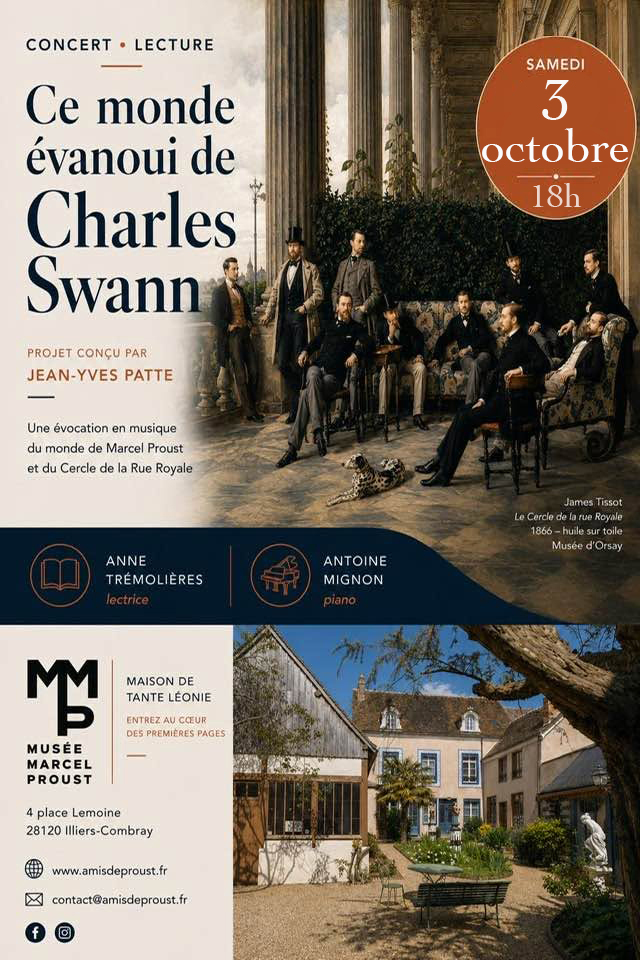
Concert-reading “Ce monde évanoui de Charles Swann” on Saturday 3 October
On Saturday 3 October at 6pm, after the meeting with Laurent Mauvignier, the Maison de Tante Léonie will host the concert-reading “Ce monde
"…the whole of Combray and its surroundings, taking shape and solidity, sprang into being, town and gardens alike, from my cup of tea."
A place of memory
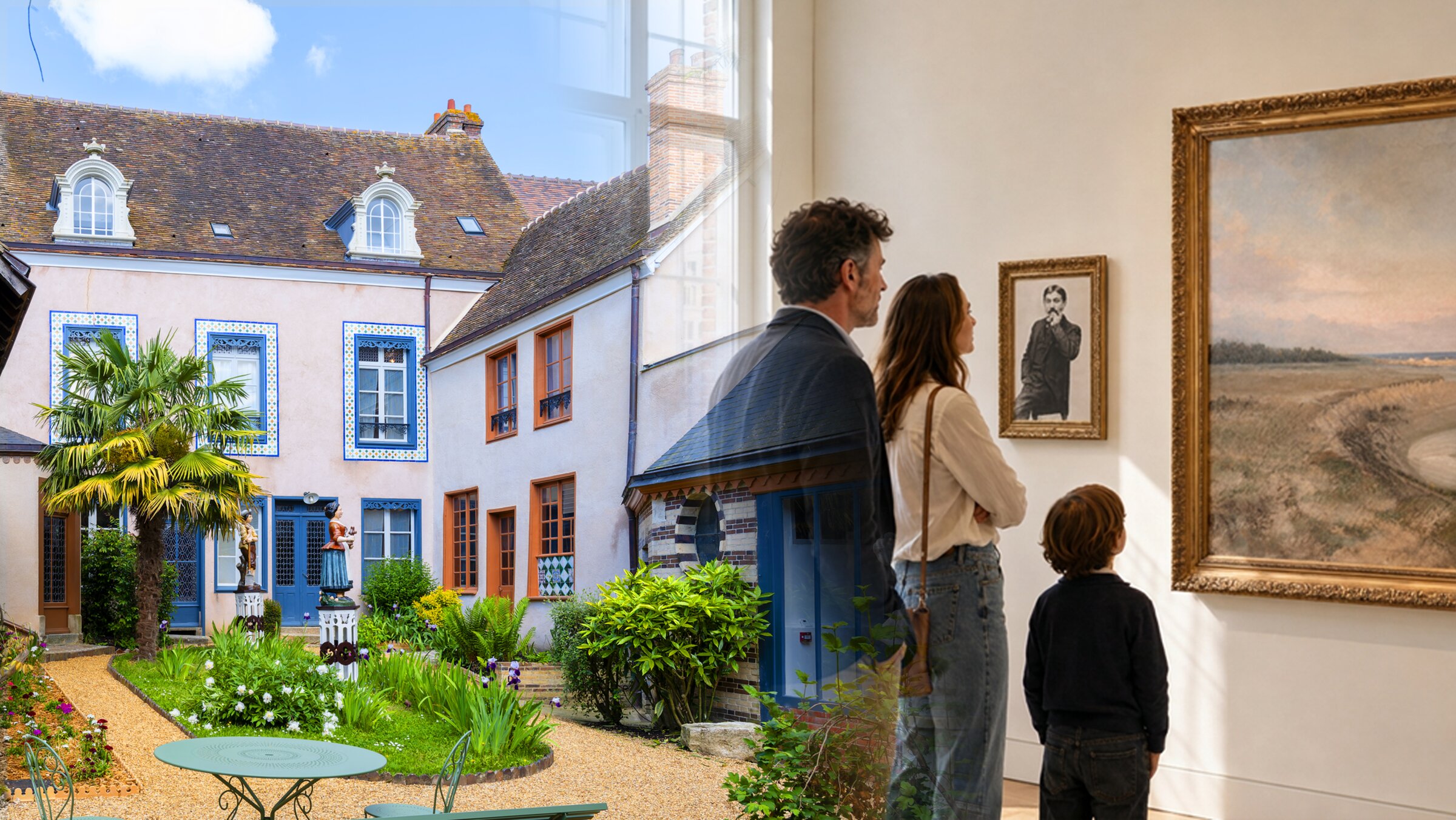
In Illiers-Combray, in a house of pink stone with blue window frames, the young Marcel Proust spent his childhood holidays between 1877 and 1880. The house belonging to his paternal uncle and aunt, Jules and Élisabeth Amiot, became in his imagination the home of "aunt Léonie" — a central character of "Combray", the opening section of the first volume of In Search of Lost Time.
Converted into a museum in the late 1960s and opened to the public in 1972, the Maison de Tante Léonie is today a recognised "musée de France", fully renovated between 2022 and 2024. It welcomes thousands of visitors each year who rediscover there the places and scenes of the novel: the aunt's bedroom, the magic lantern, the dining room with its painted plates, and the gardens that Proust immortalised.
The Maison de Tante Léonie is "in some sense the best possible introduction to the novel one could imagine. You enter the house, you visit it, and you read In Search of Lost Time in the same breath, without stopping until Time Regained." — Antoine Compagnon

Discover
History
The history of the house, from the Amiot family to today's museum.
Learn more →
Collections
Furniture, objects, correspondence and works of art that belonged to Proust and his family.
Learn more →
Practical information
Opening hours, prices, access from Paris or Chartres.
Learn more →
"…the smell and taste of things remain poised a long time, like souls, ready to remind us, waiting and hoping for their moment, amid the ruins of all the rest; and bear unfaltering, in the tiny and almost impalpable drop of their essence, the vast structure of recollection."
Marcel Proust — Swann's Way
Museum life
On Saturday 3 October at 6pm, after the meeting with Laurent Mauvignier, the Maison de Tante Léonie will host the concert-reading “Ce monde
On 17 September, at the Hôtel Littéraire Le Swann, Olivier Philipponnat and Jérôme Bastianelli presented the new edition of Louis de Robert’
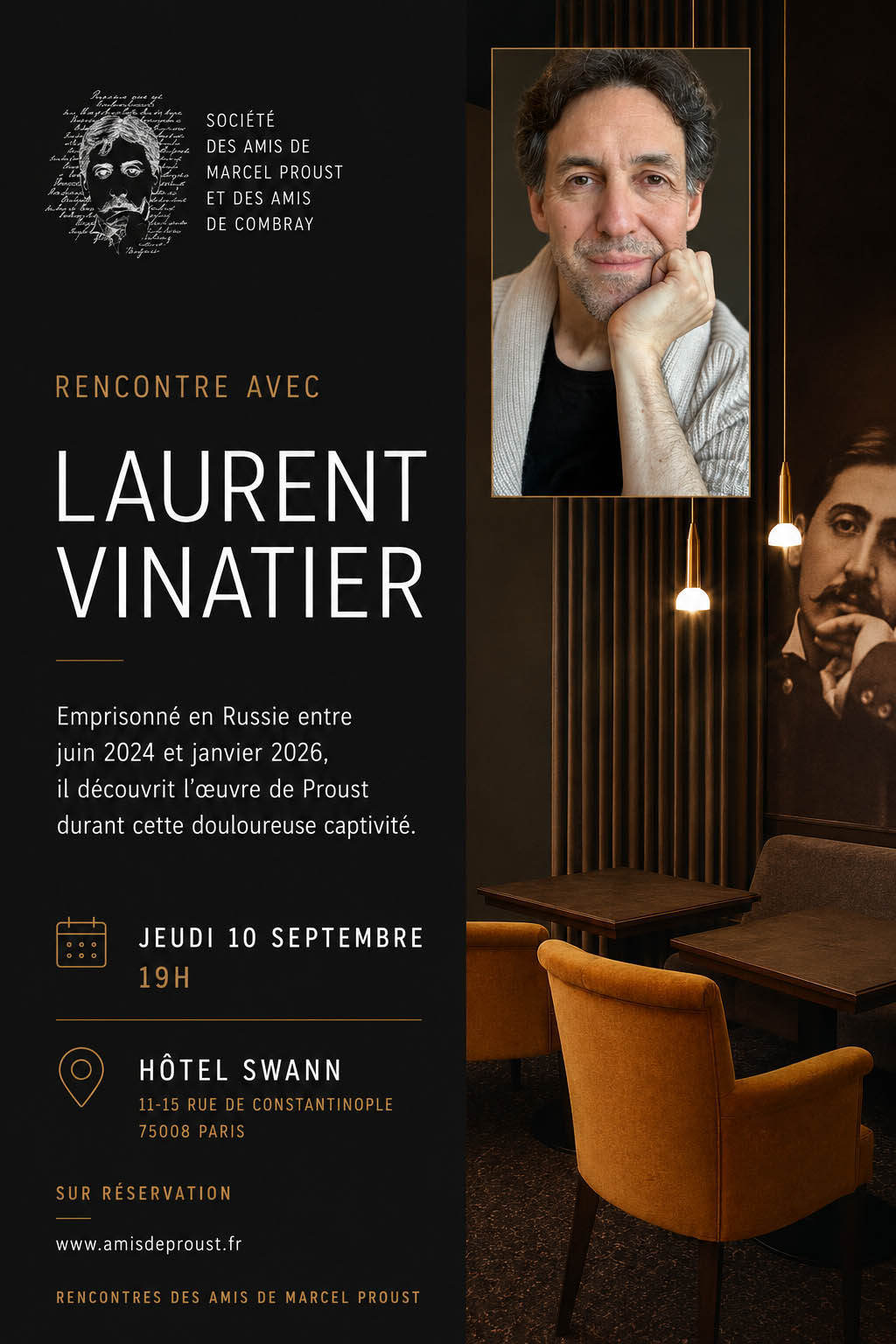
On 10 September, at the Hôtel Littéraire Le Swann, Laurent Vinatier told the Amis de Marcel Proust how discovering Proust in detention helpe
Support the museum
Your membership keeps this independent museum open and helps enrich its collections.
Join the SAMP