Collections
The museum occupies two adjoining buildings. On one side, the house itself — authentic, preserved in the state in which the young Marcel Proust knew it. On the other, a museum space devoted to the writer and to his relationship with the arts. Two places, two dimensions of a single presence.
« Real life, life finally uncovered and clarified, the only life in consequence lived to the full, is literature. »
Marcel Proust — Le Temps retrouvé
First building
The house where it all began
To step into the house is to step into Proust's childhood. The furniture is that of the Amiot family. The stained-glass windows of the oriental drawing room still bathe the room in their light. The first-floor bedroom — that of Aunt Léonie — still looks out onto the same street, the same church spire, the same garden.
What the visitor feels here is rare: the sense of walking not through a museum, but through a memory. A memory that Proust transformed, thirty years later, into universal literature. Combray is not an invented town. It is there, within reach, in every object, every scent, every proportion of every room.
« A minute ago I was merely a mediocre being who had been labouring to find his way. And already I was no longer he… »
Marcel Proust — Le Temps retrouvé
Second building
Proust and the arts
The Recherche is threaded through with the arts — the painting of Elstir, the sonata of Vinteuil, the verses of Bergotte. This is no coincidence: Proust lived surrounded by artists, and frequented museums, salons and concerts. The collections of the adjacent building bear witness to this: personal objects, portraits of friends — Reynaldo Hahn, Robert de Montesquiou, Céleste Albaret —, correspondence, first editions.
This is not an illustration of the work. It is its source.
A glimpse
A selection of works from the collections
A glimpse, among the 431 works recorded in the museum's inventory.
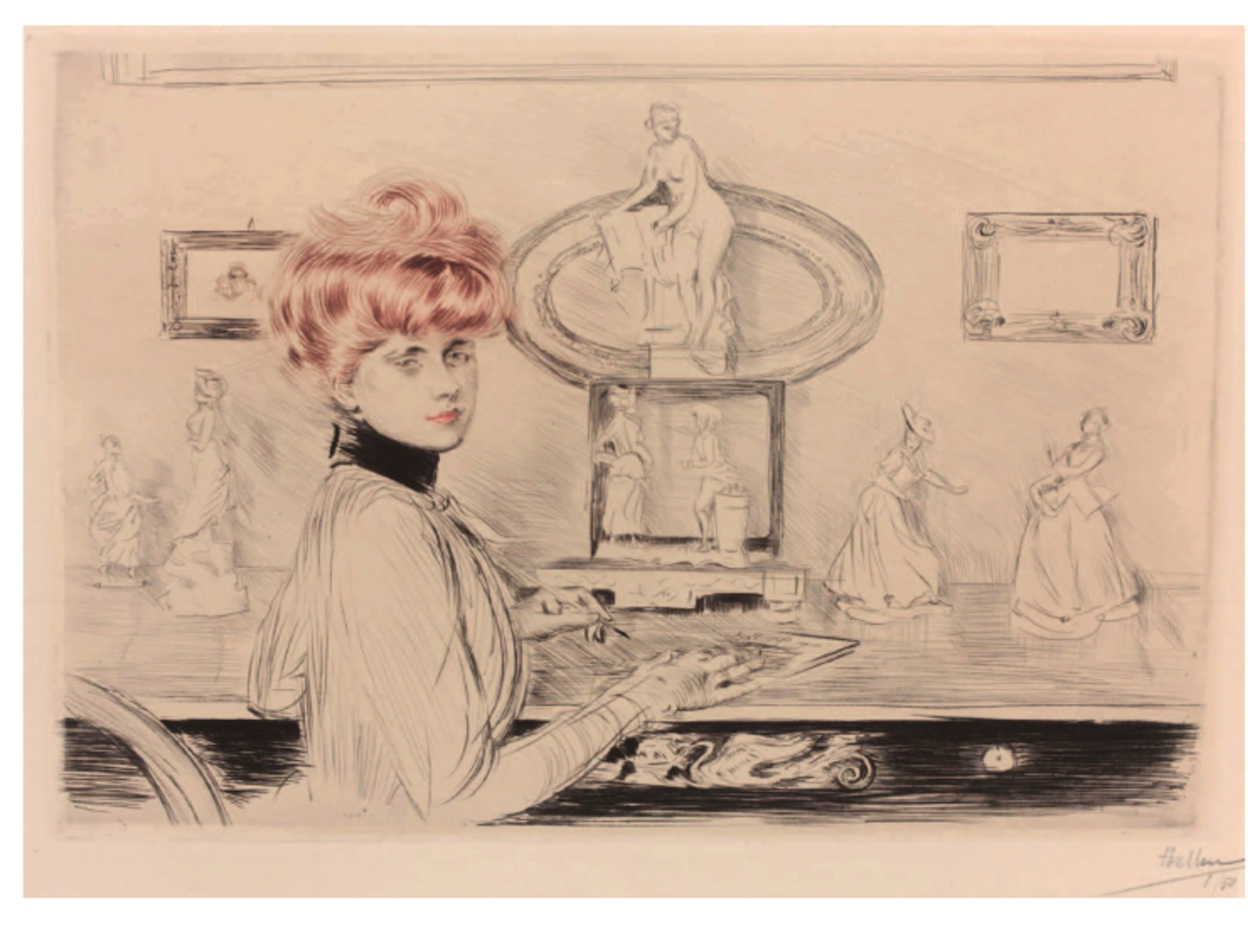
Painting
Madame Helleu Writing
Paul-César Helleu (1859–1927)
A drypoint portrait of Alice Helleu by her husband, the painter Paul-César Helleu, a close friend of Proust and one of the supposed models for the painter Elstir in the Recherche.
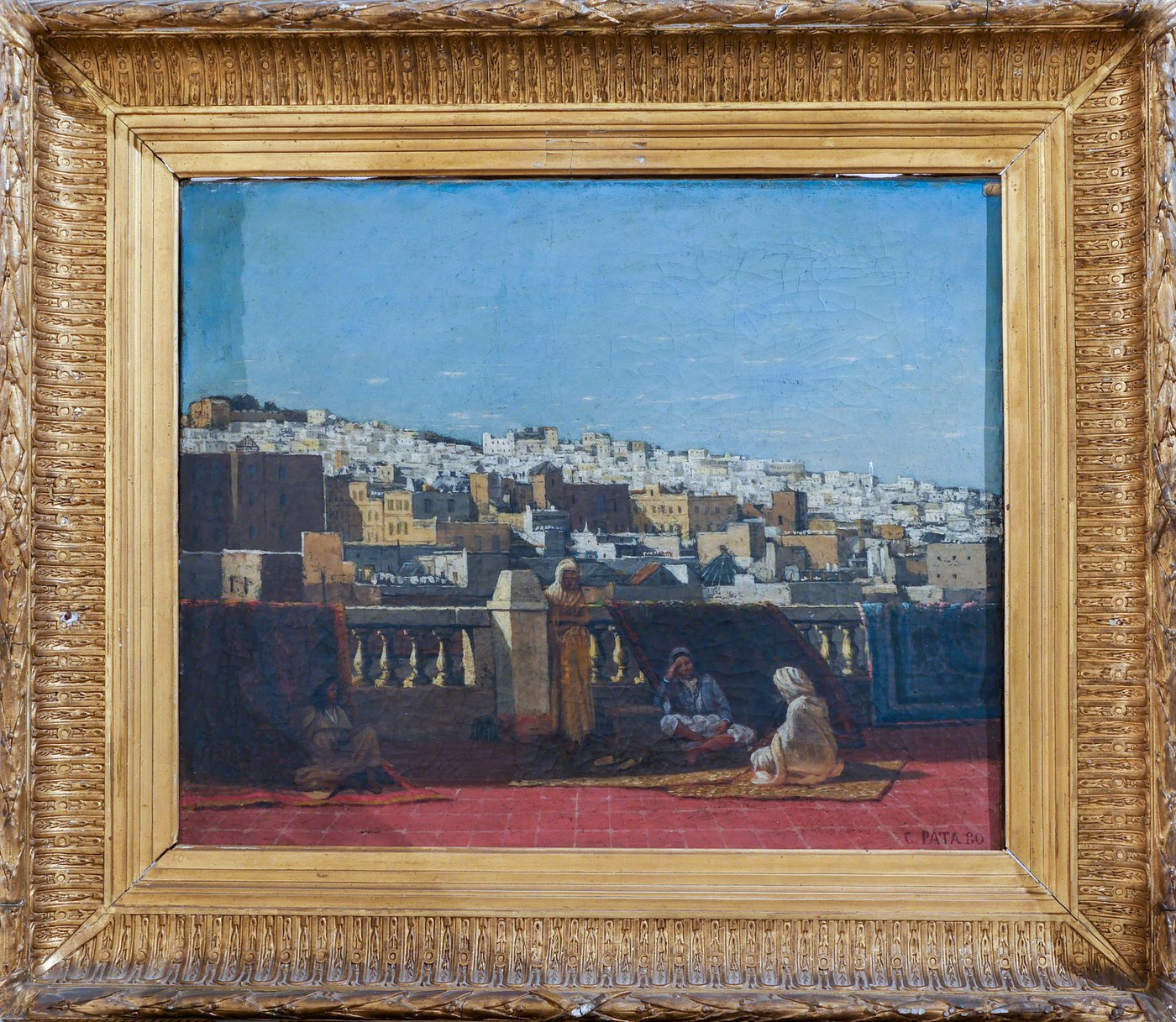
Painting
View of Algiers
Cherubino Pata (1827–1899)
A terrace in the foreground, three figures, and the sweep of the city beyond.
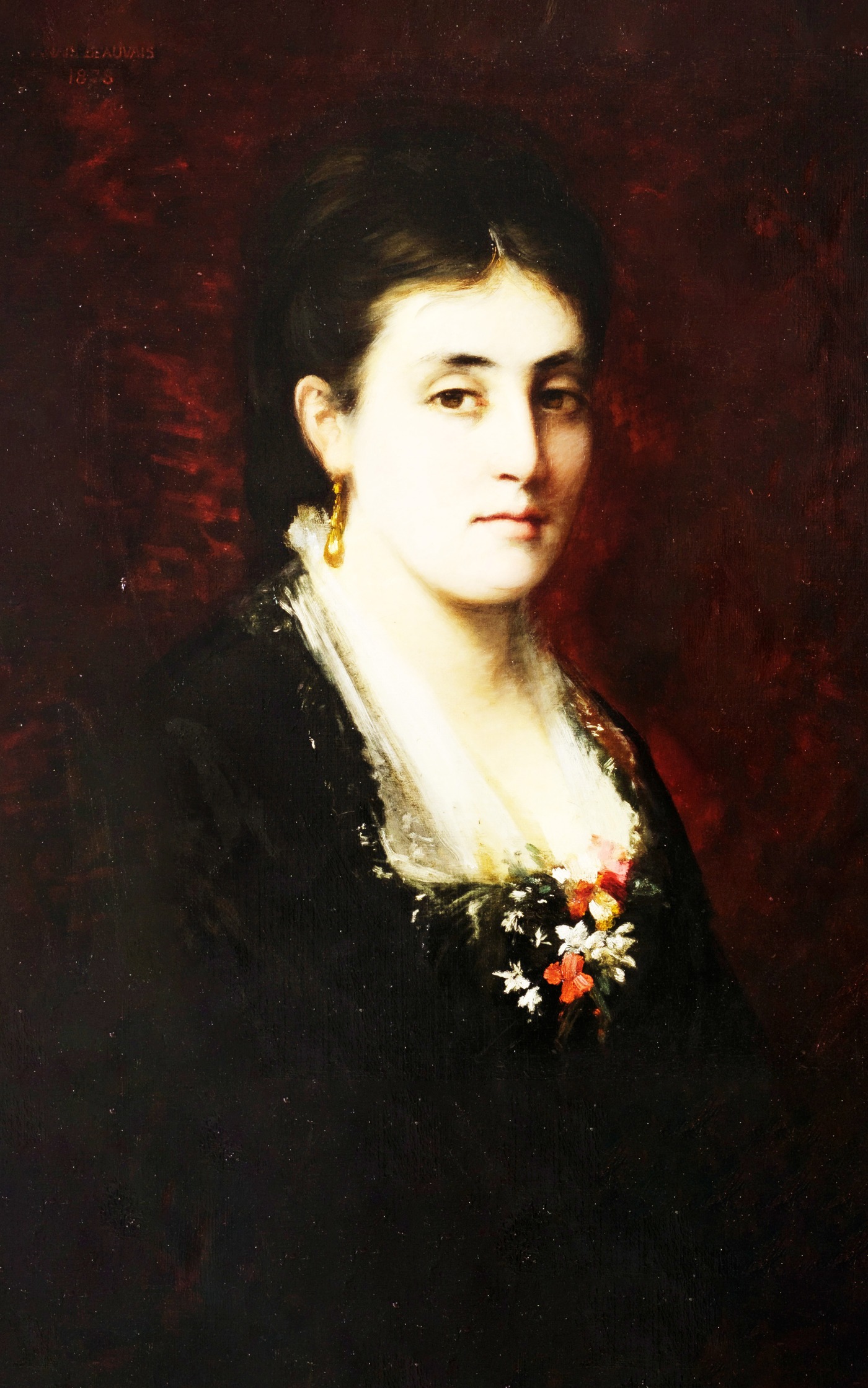
Painting
Portrait of Jeanne Proust
Anaïs Beauvais (1832–1898)
A portrait of the writer's mother, restored in 2020 for a loan to the Musée Carnavalet.
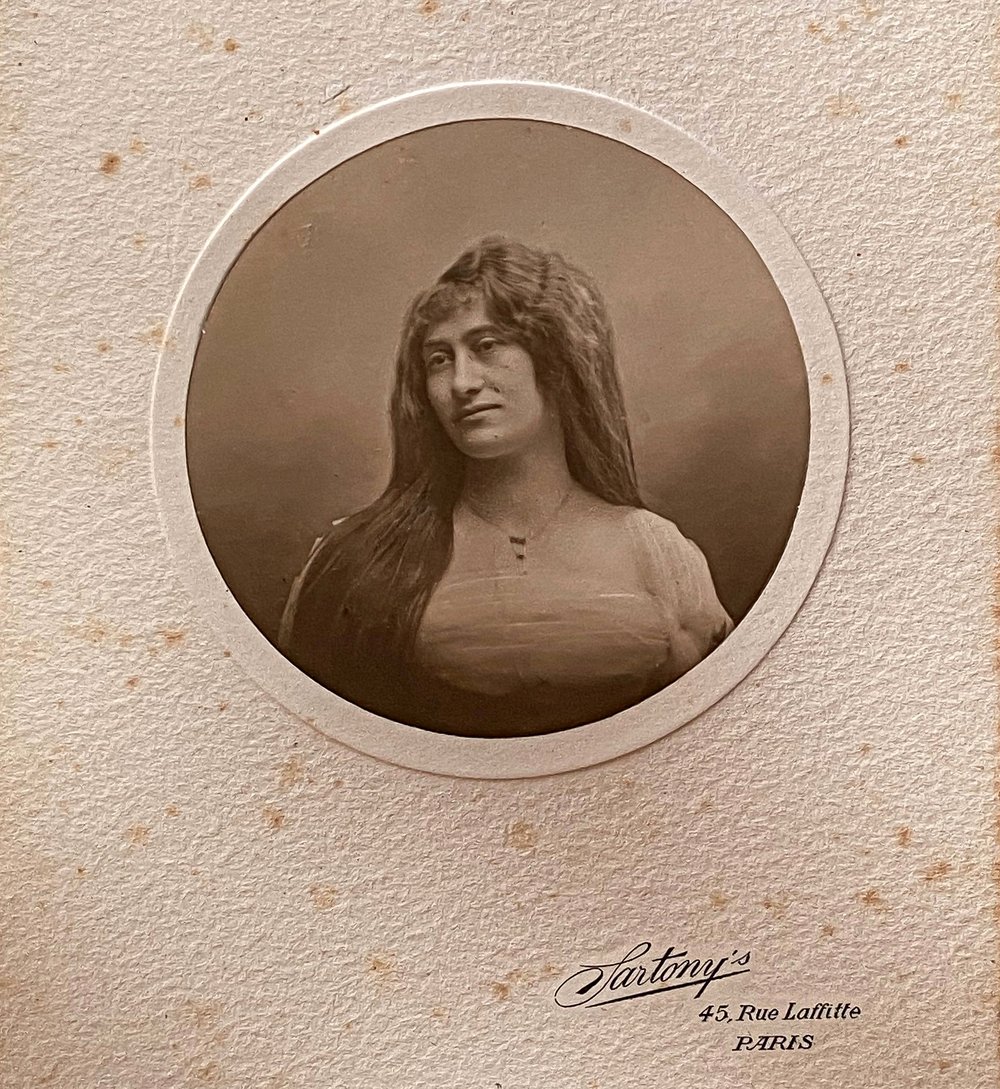
Photograph
Portrait of Céleste Albaret
1915
The faithful housekeeper of Marcel Proust, who watched over the writer during his final years.
Manuscript
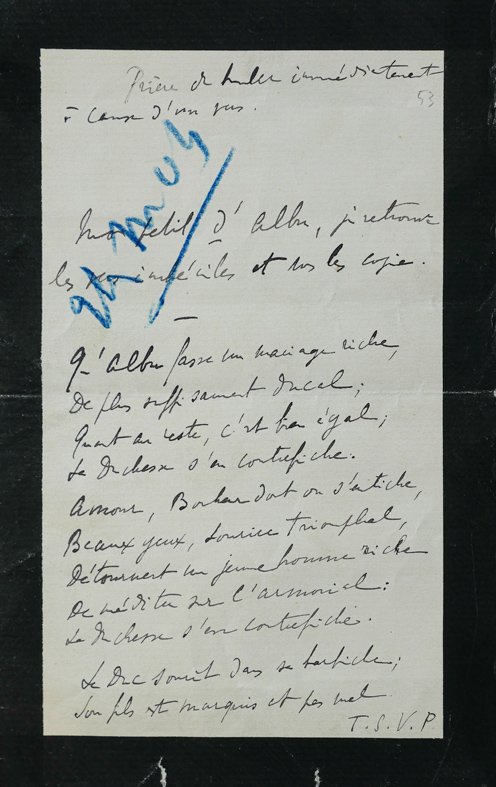
Letter to Louis d'Albufera
Marcel Proust, spring 1904
A parodic poem of 61 octosyllabic verses, by which Proust sought to console his friend, compelled to give up a marriage for love.
Works on paper
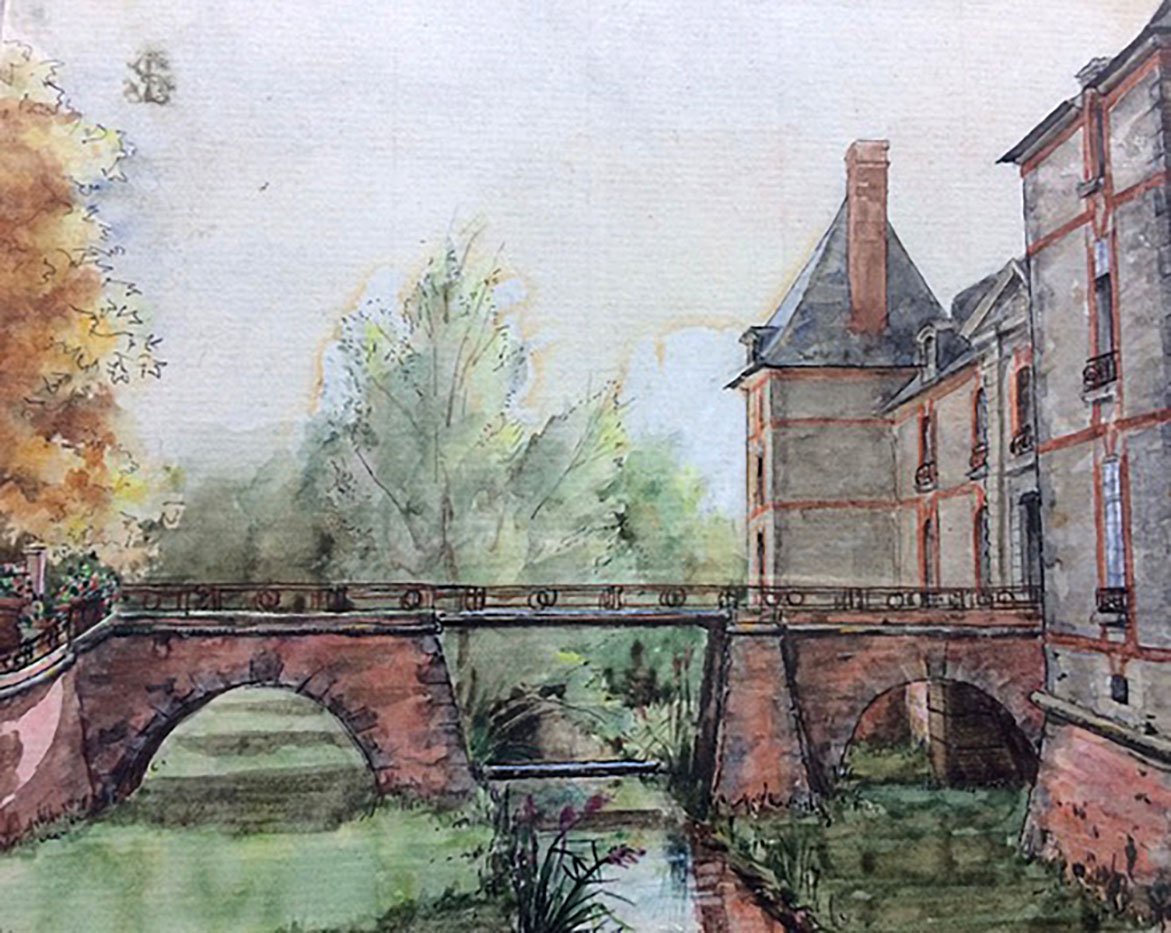
The château de Réveillon
Watercolour by Suzette Lemaire
Réveillon, where Proust stayed in 1894 and 1895 and where his passion for Reynaldo Hahn was born — an episode that would leave its trace in Les Plaisirs et les Jours.
Object
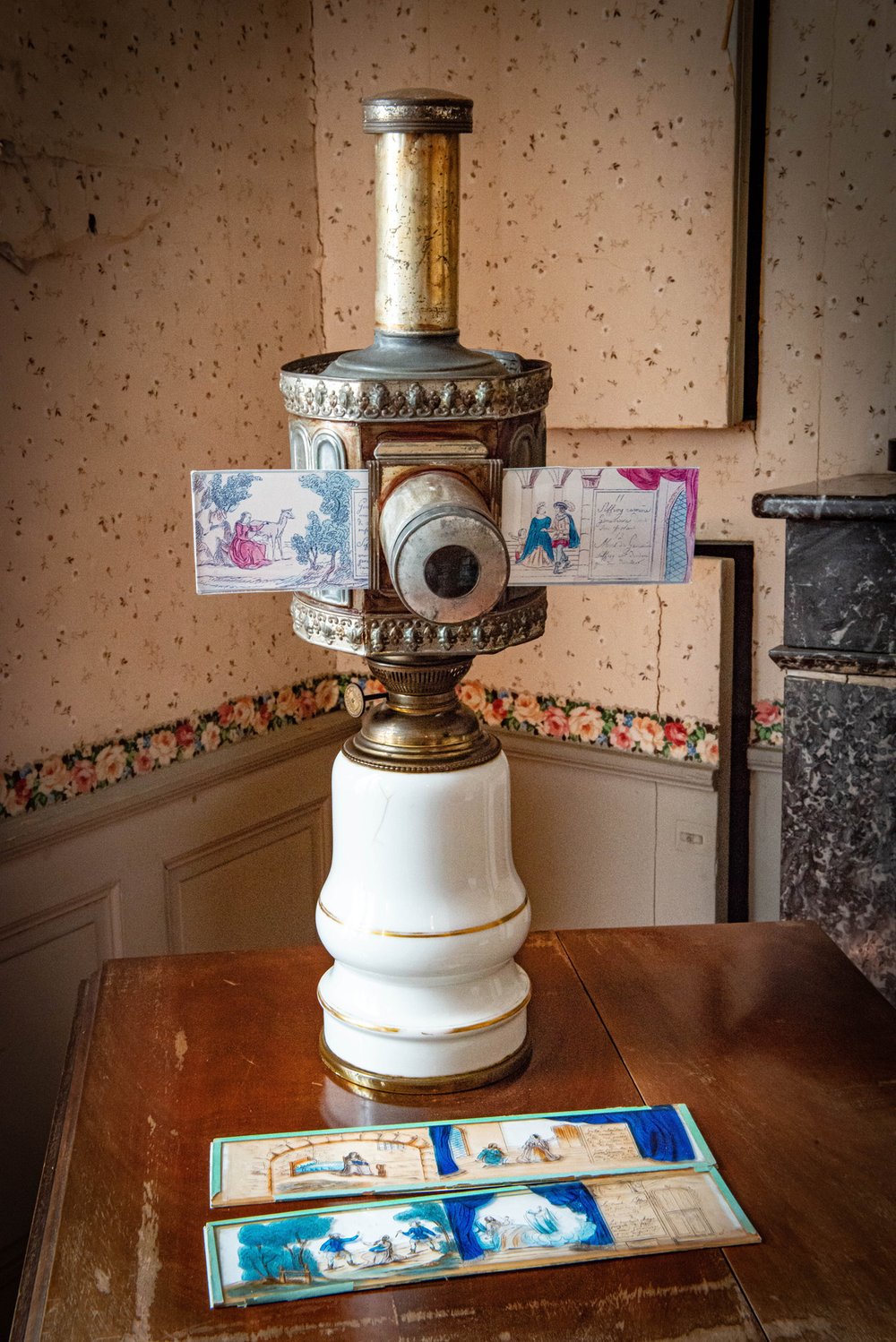
The magic lantern
Amiot collection
The very object that opens Du côté de chez Swann, casting upon the bedroom walls the figures of Golo and Geneviève de Brabant.
Painting
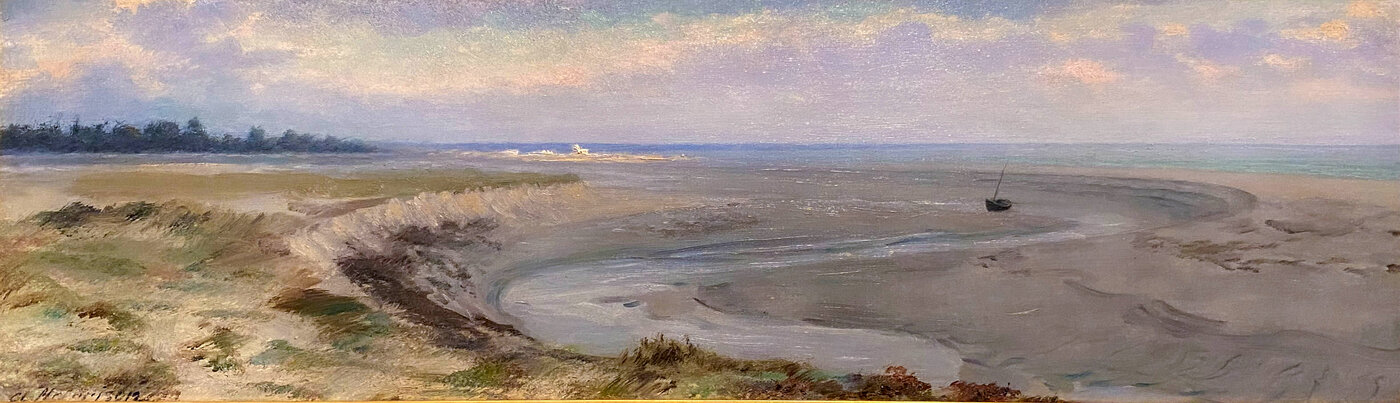
Beach Tides
Thomas Alexander Harrison (1853–1930), c. 1895
A seascape of Beg-Meil, painted by the American artist whom Proust met there in 1895 — one of the sources for the character of Elstir.
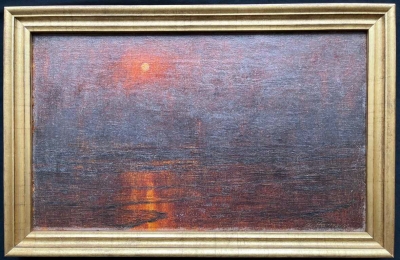
Painting
Sunset over the Sea
Thomas Alexander Harrison (1853–1930)
A second painting by the same artist, added to the collections at the end of 2025 through pre-emption.
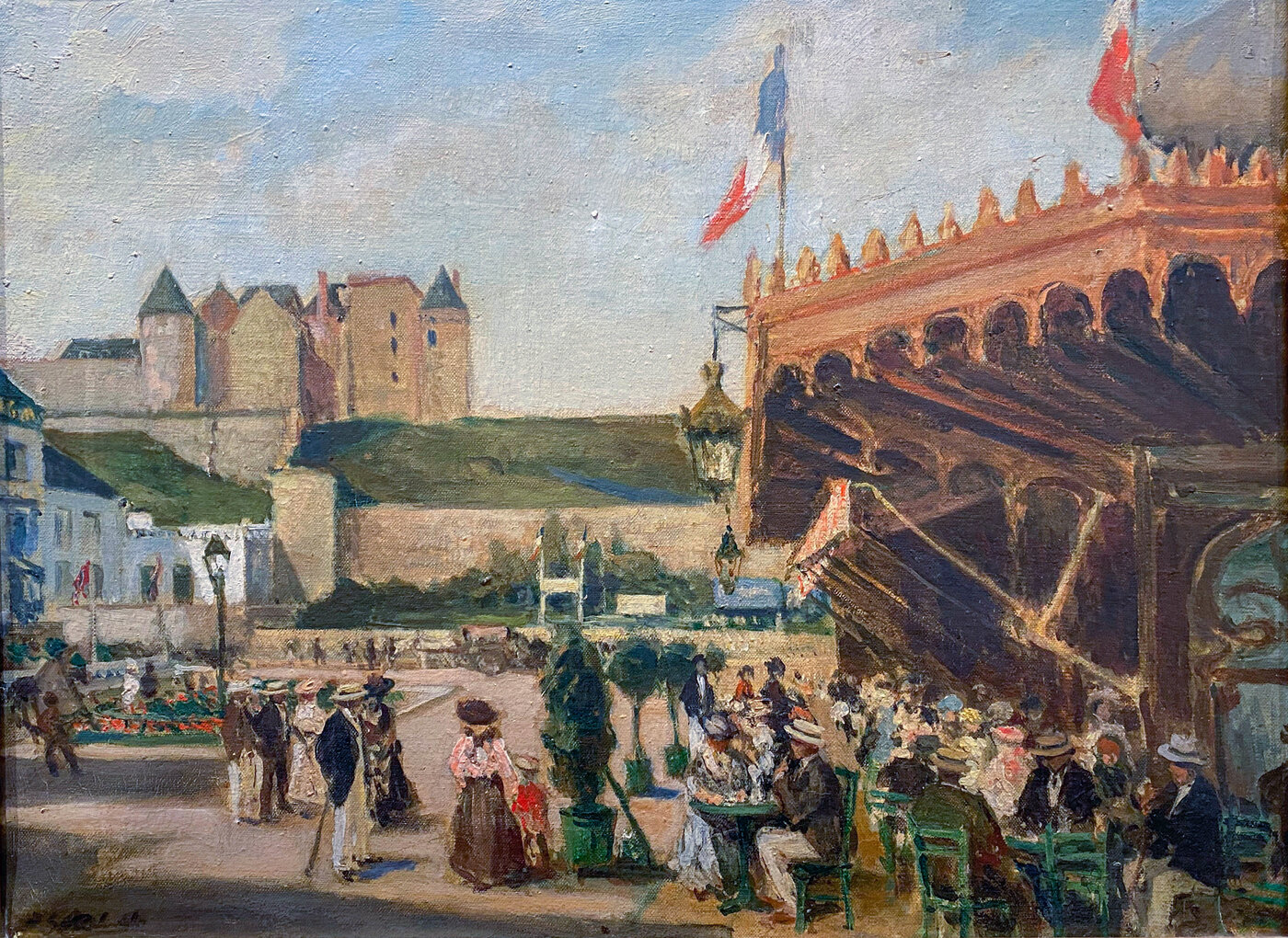
Painting
Dieppe, Terrace of the Casino Restaurant
Jacques-Émile Blanche (1861–1942), 1904
By the friend who painted, as early as 1892, the first great portrait of Marcel Proust.
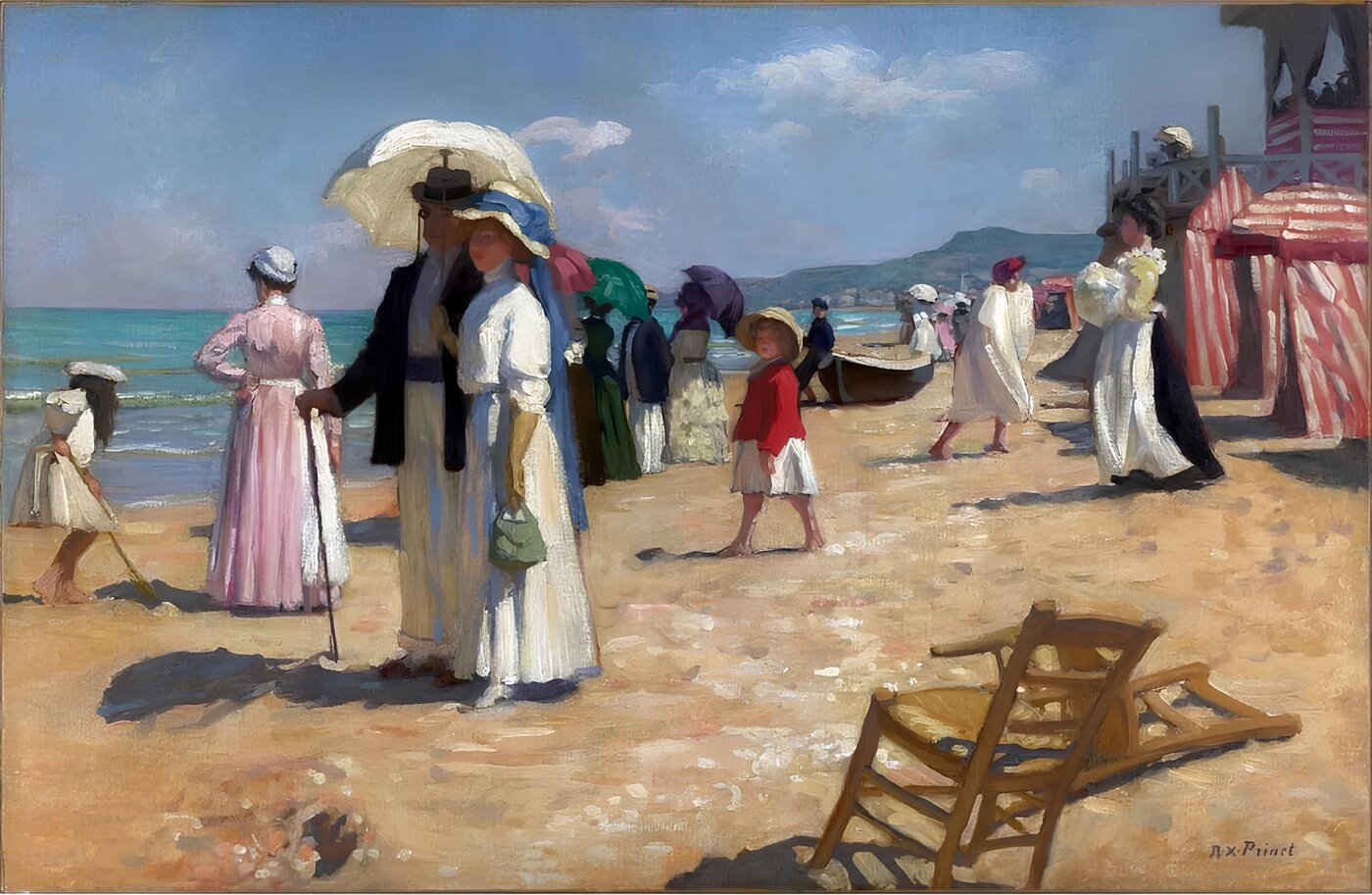
Painting
The Beach at Cabourg
René-Xavier Prinet (1861–1946), 1908
The Norman promenade where Prinet and Proust, each in his own way, observed the same strollers — a setting that would become Balbec.
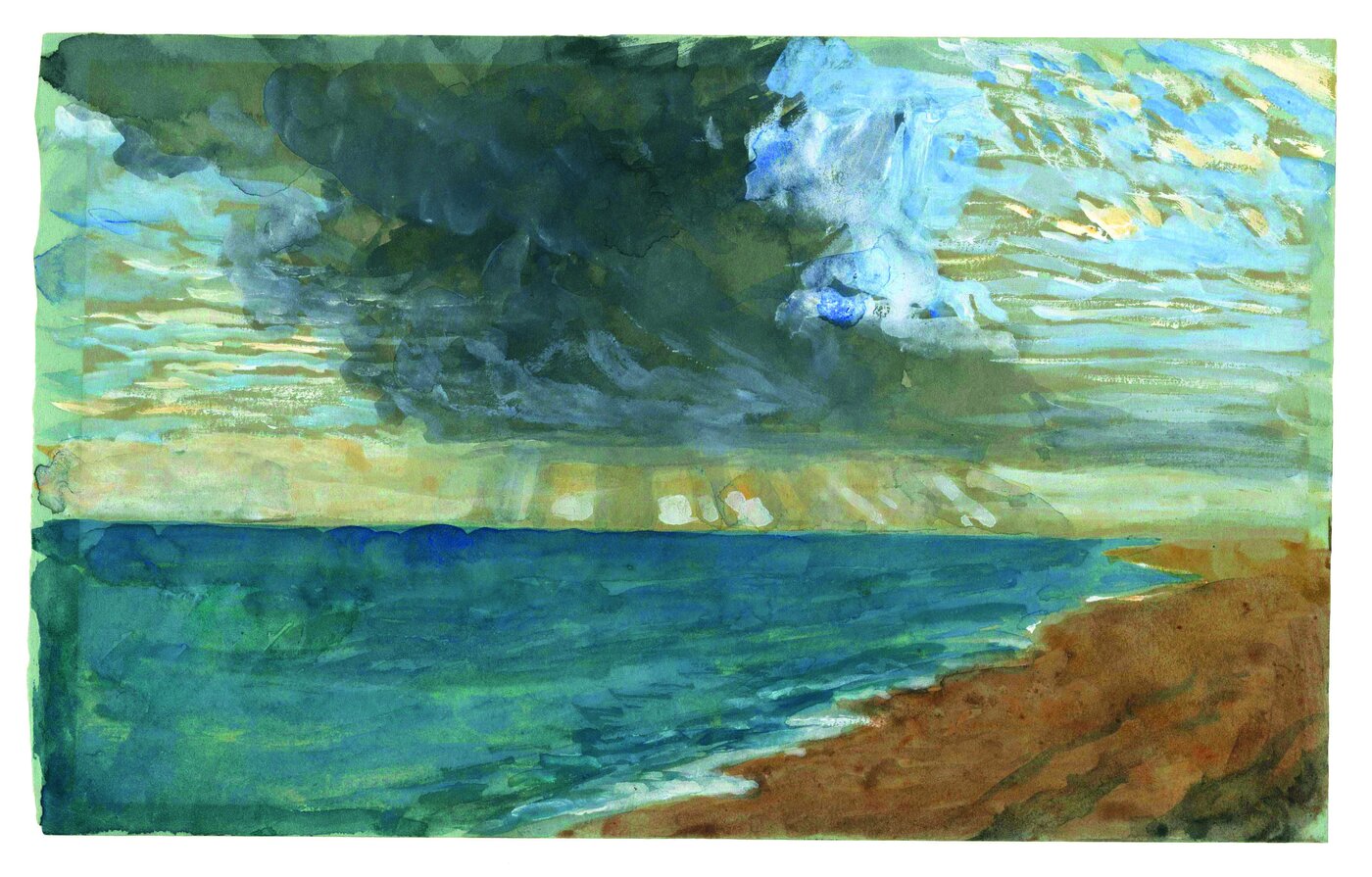
Works on paper
Rain over the Sands at Seascale
John Ruskin (1819–1900), 1889
One of the last watercolours by the English critic whom Proust translated and called "the Master".
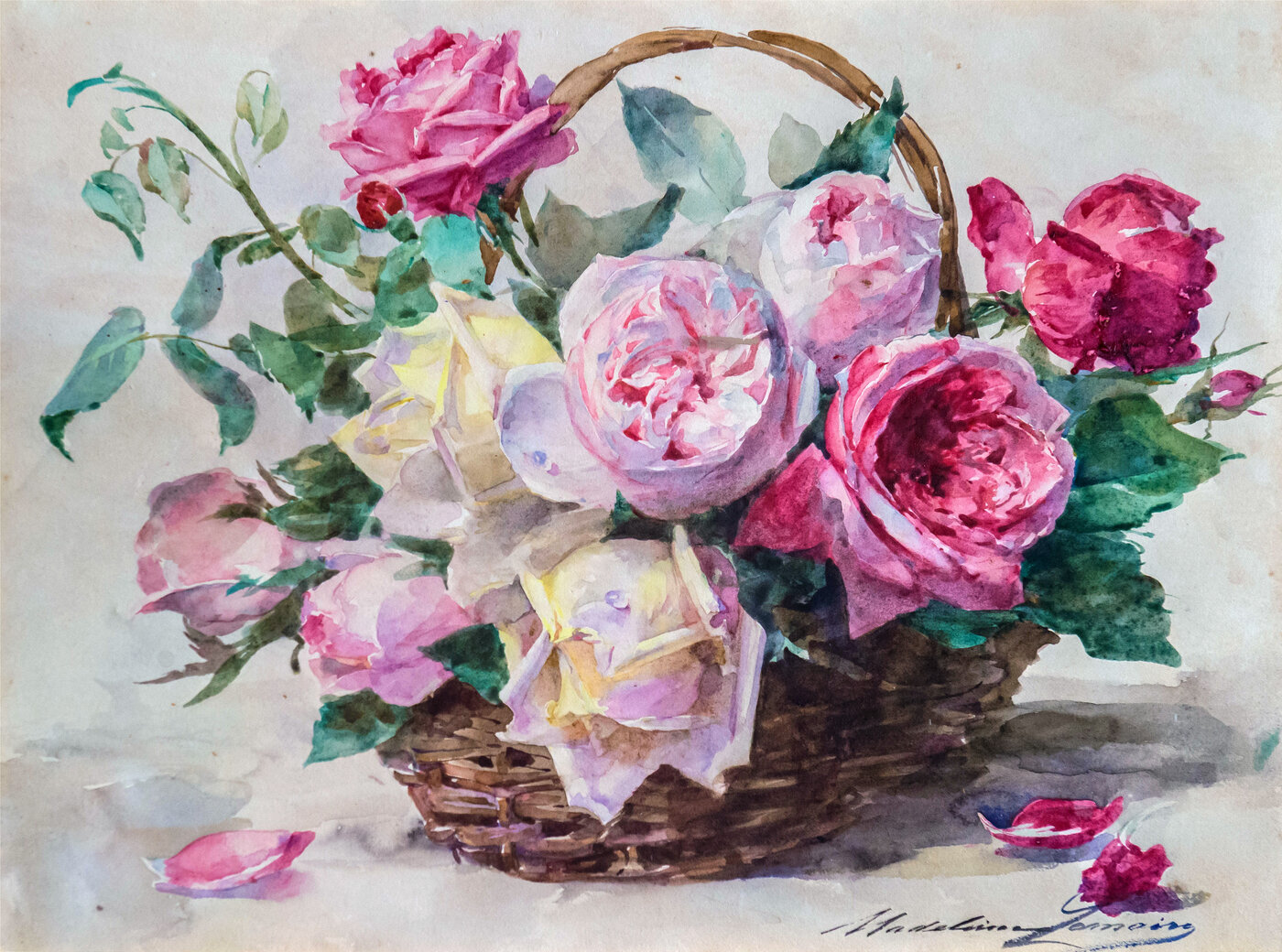
Works on paper
Bouquet of Roses
Madeleine Lemaire (1845–1928)
Hung in the Salon Adrien, this watercolour recalls the place held in Proust's life by this salon hostess and artist, who inspired the character of Mme Verdurin.
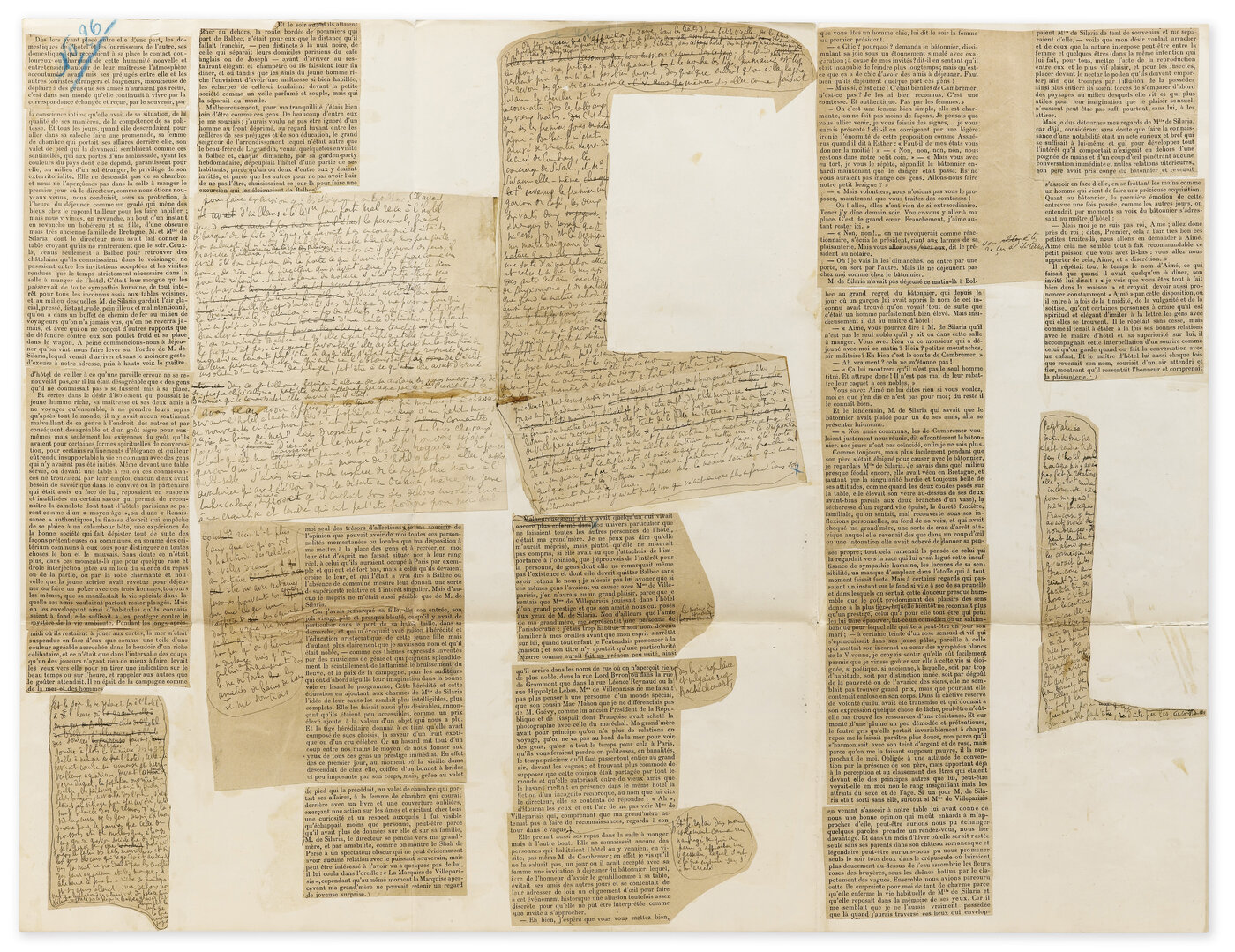
Manuscript
Galley proof of À l'ombre des jeunes filles en fleurs
Corrected proof
A full-size reproduction of a corrected proof, originally shown at an exhibition at the Bibliothèque nationale de France.
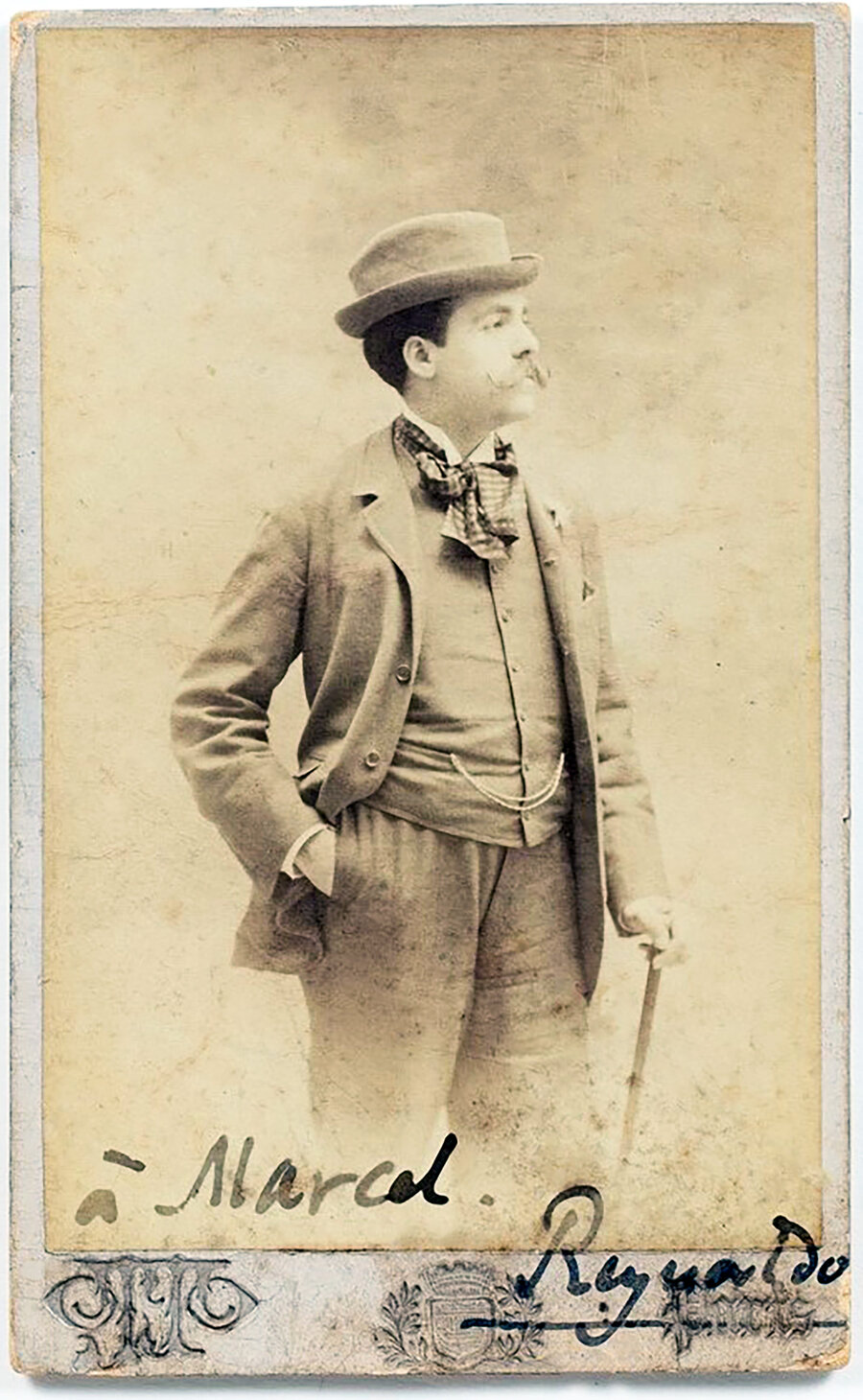
Photograph
"À Marcel"
Reynaldo Hahn, photograph by Otto, c. 1894
An inscribed portrait of the musician who was Proust's great love in his youth, before becoming his most faithful friend.
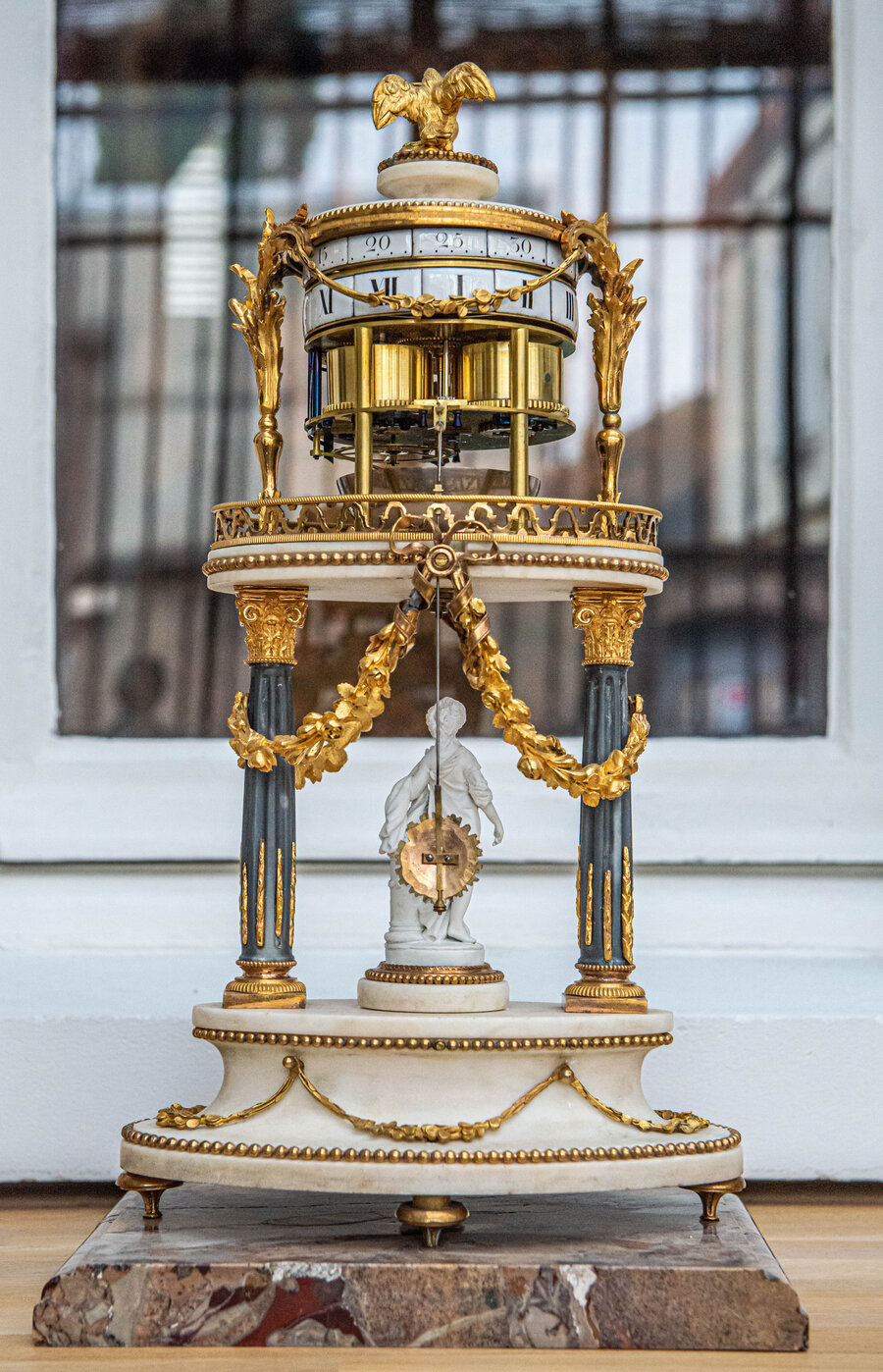
Object
The clock of Gabriel de La Rochefoucauld
Louis XVI period, c. 1780
Given by Proust to his friend for his wedding in 1905, it joined the collections more than a century later.
This selection is but a glimpse. Discover the full range of our collections on the online portal of the Musées de la Région Centre-Val de Loire — or better still, come and visit us!
Explore the full online catalogue →