The House
The Amiot family home, Proust’s childhood, and the birth of a masterpiece.
1877 – 1972
A childhood home turned museum
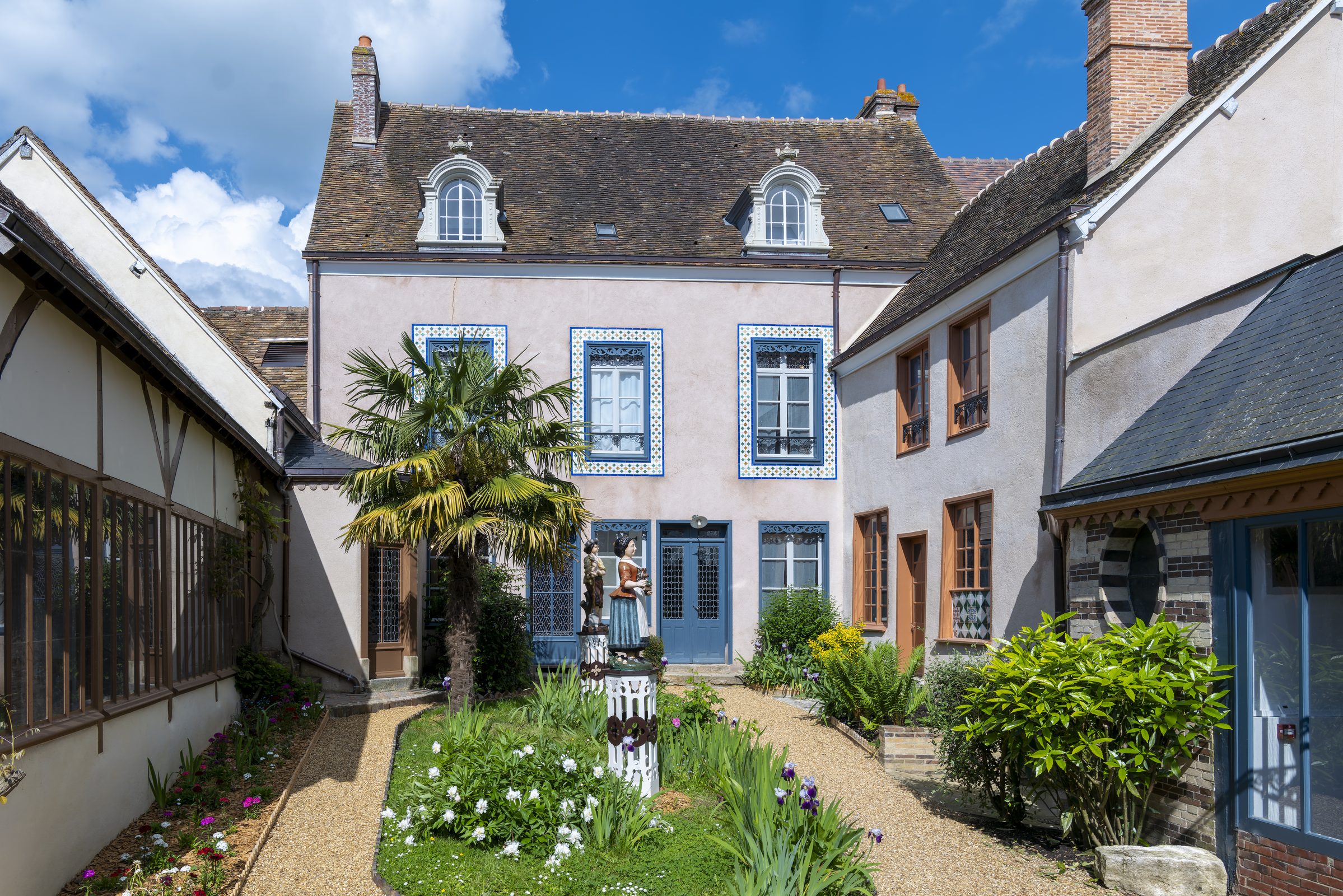
The house belonged to Jules and Élisabeth Amiot, Marcel Proust’s paternal uncle and aunt. As a child, the future writer spent his holidays there in the years 1877–1880, and returned when his aunt died in 1886 — he was fifteen years old.
Transfigured by literature, certain memories of these stays reappear in the first volume of À la recherche du temps perdu, Du côté de chez Swann. The Amiot family home thus became the home of “Aunt Léonie”, her bedroom the centre of an imagined Combray, and her gardens the walks of a world regained.
Converted into a museum in the late 1960s on the initiative of the Société des Amis de Marcel Proust, the house opened its doors to the public in 1972. Fully restored between 2022 and 2024, it is today a recognised “musée de France”, meticulously preserved, keeping faith with the authenticity of the place as the young Proust knew it.
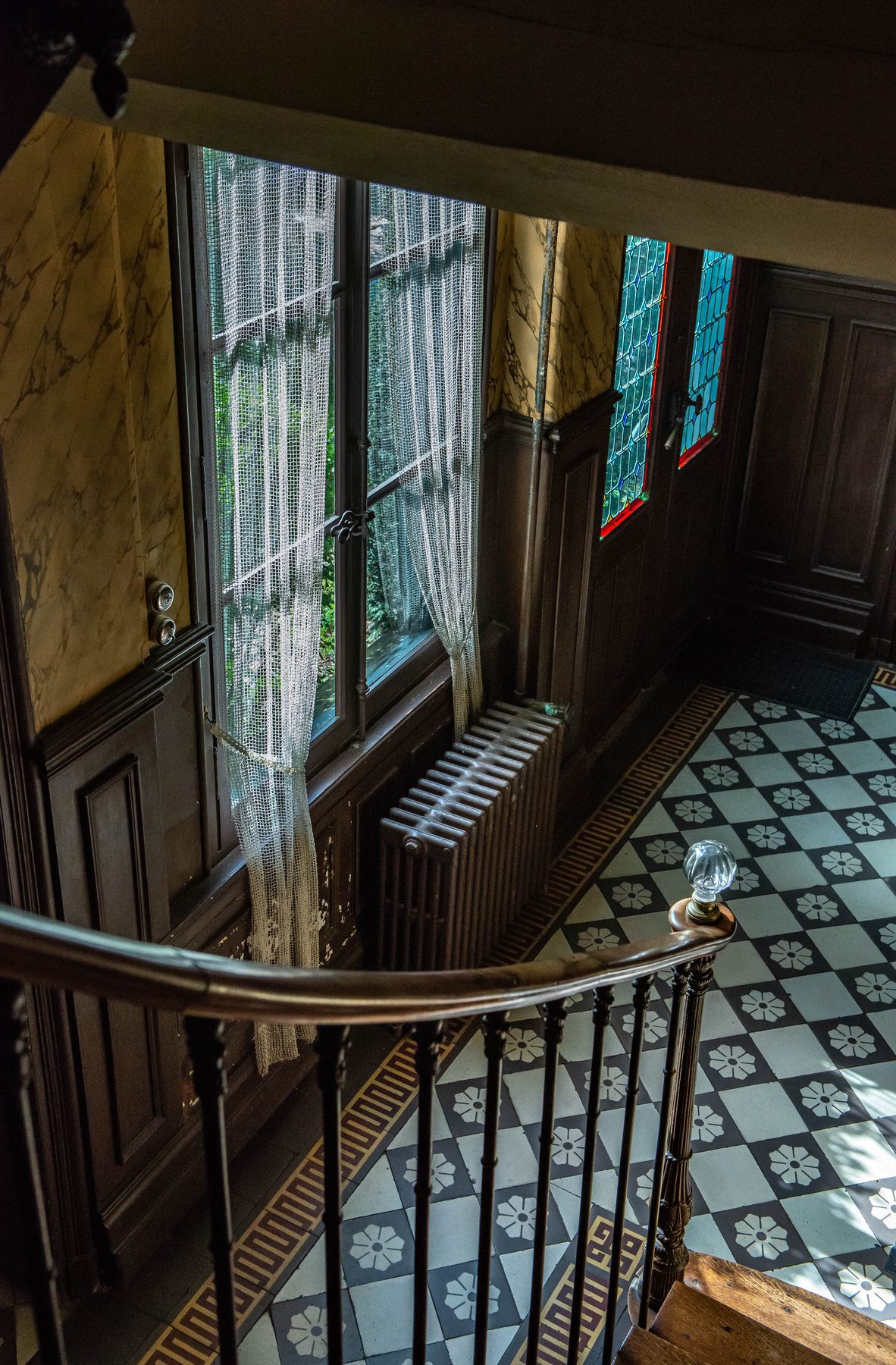
“…and at once the old grey house upon the street, where her room had been, rose up like a stage set to attach itself to the little wing looking out over the garden…”
Marcel Proust — Du côté de chez Swann
The visitor’s experience
The two sides of the house
The first side
A lived-in home
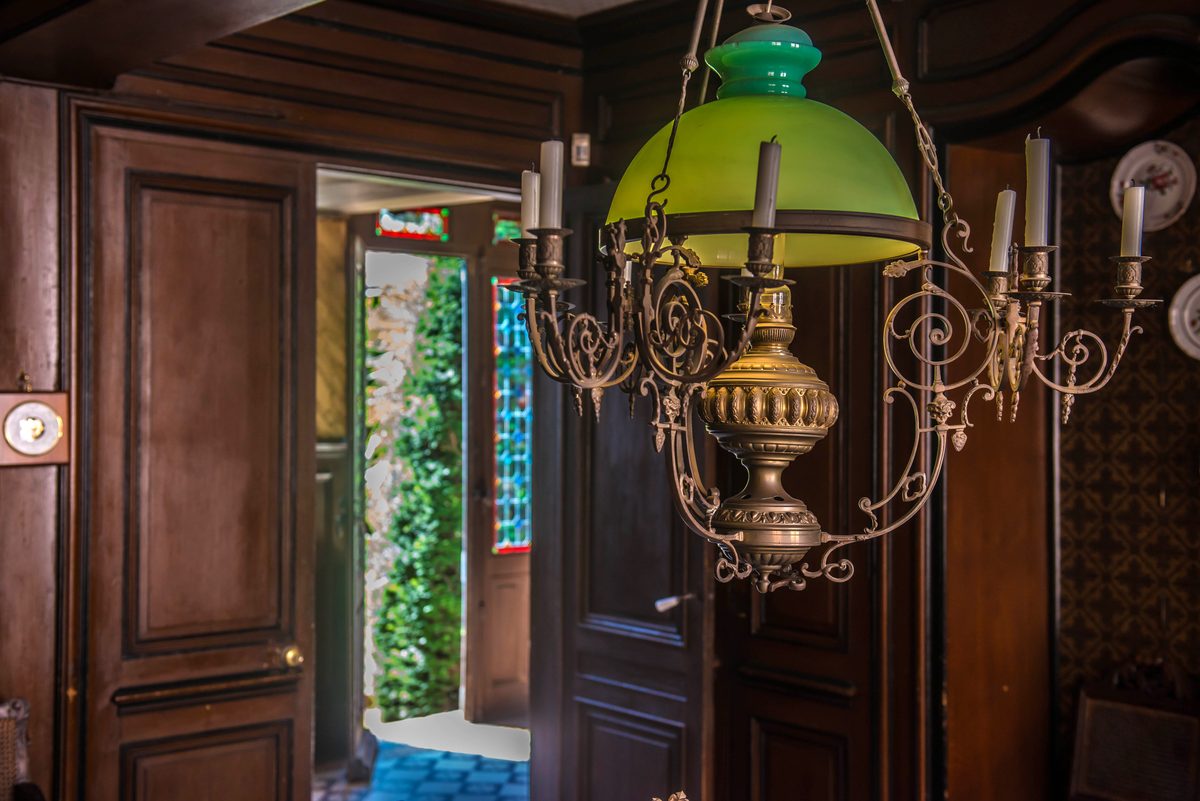
On entering the Maison de Tante Léonie, one enters, first of all, a home. The furniture is that of the Amiot family. The painted plates, the coloured stained glass of the dining room, the first-floor bedroom with its two windows onto the street — everything has been preserved just as the young Marcel Proust knew it. This authenticity is rare. It creates a presence, an immediate intimacy with the place and with the writer who emerged from it.
The second side
A living museum
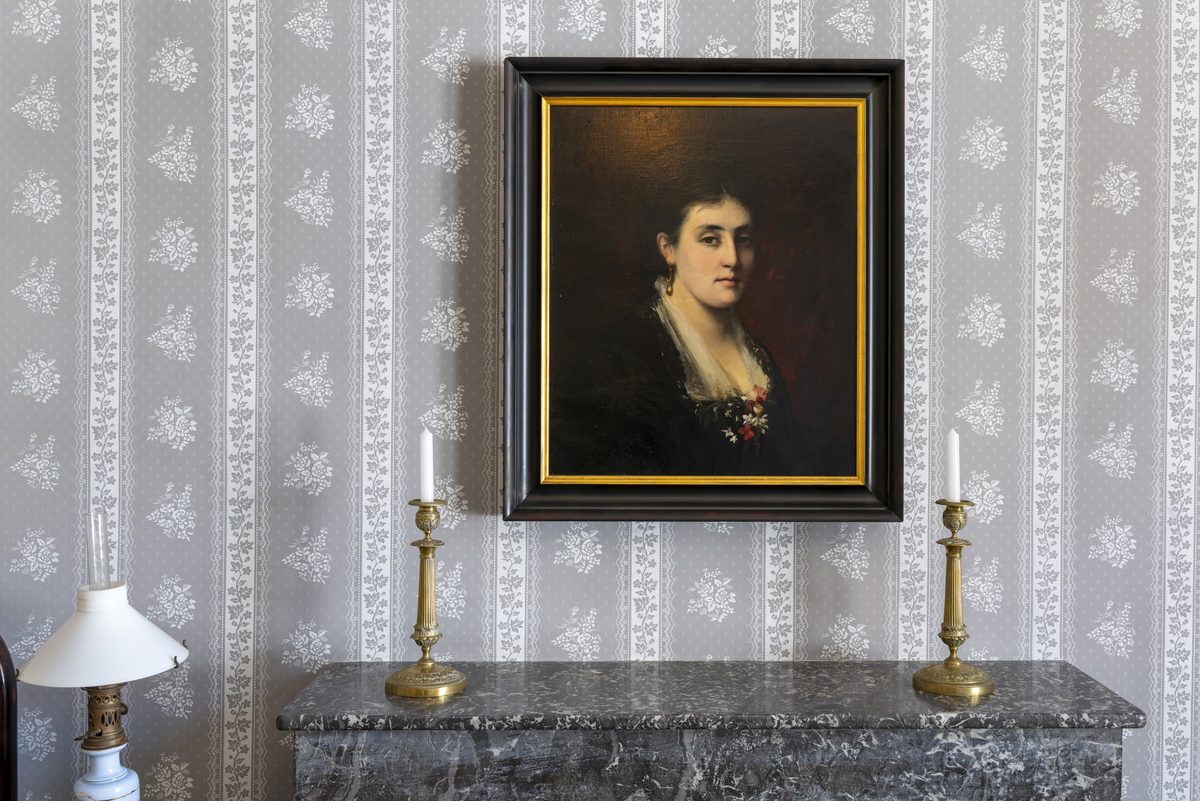
Recognised as a “musée de France”, the house is also home to a museum collection in its own right: objects that once belonged to Marcel Proust and his family, photographs, letters, first editions, and portraits of friends — Robert de Montesquiou, Reynaldo Hahn, Céleste Albaret. These collections chart a life and a body of work, offering the visitor an illuminating view of the genesis of the Recherche. The house and the museum answer one another at every turn, like two paths that, in the end, lead to the same place.
And beyond
The gardens and the Pré-Catelan
The garden of the house and, a little further on, the Pré-Catelan — an exotic garden recreated in the likeness of Swann’s park, owned by the commune of Illiers-Combray and managed by the Département d’Eure-et-Loir — extend the visit into the open air, without, strictly speaking, forming part of either the House or the museum tour. These are the “two ways” of Combray that one walks here: two paths, two worlds, and that unsettling sense that fiction and reality have long since become one.
An annual occasion
The Journée des Aubépines
Every year in May, when the hedgerows of the Pré-Catelan become covered in their white and pink blossom, the Maison de Tante Léonie celebrates the Journée des Aubépines — a direct echo of one of the most celebrated passages of Du côté de chez Swann. An occasion to rediscover, in the very gardens that inspired Proust, that flower which, for the narrator, possessed “something as individual as a personality”.
Recognition