6 March 2020
Visit to the "Versailles Revival" exhibition at the Château de Versailles on Saturday 7 March
Saturday 7 March 2020 · Versailles
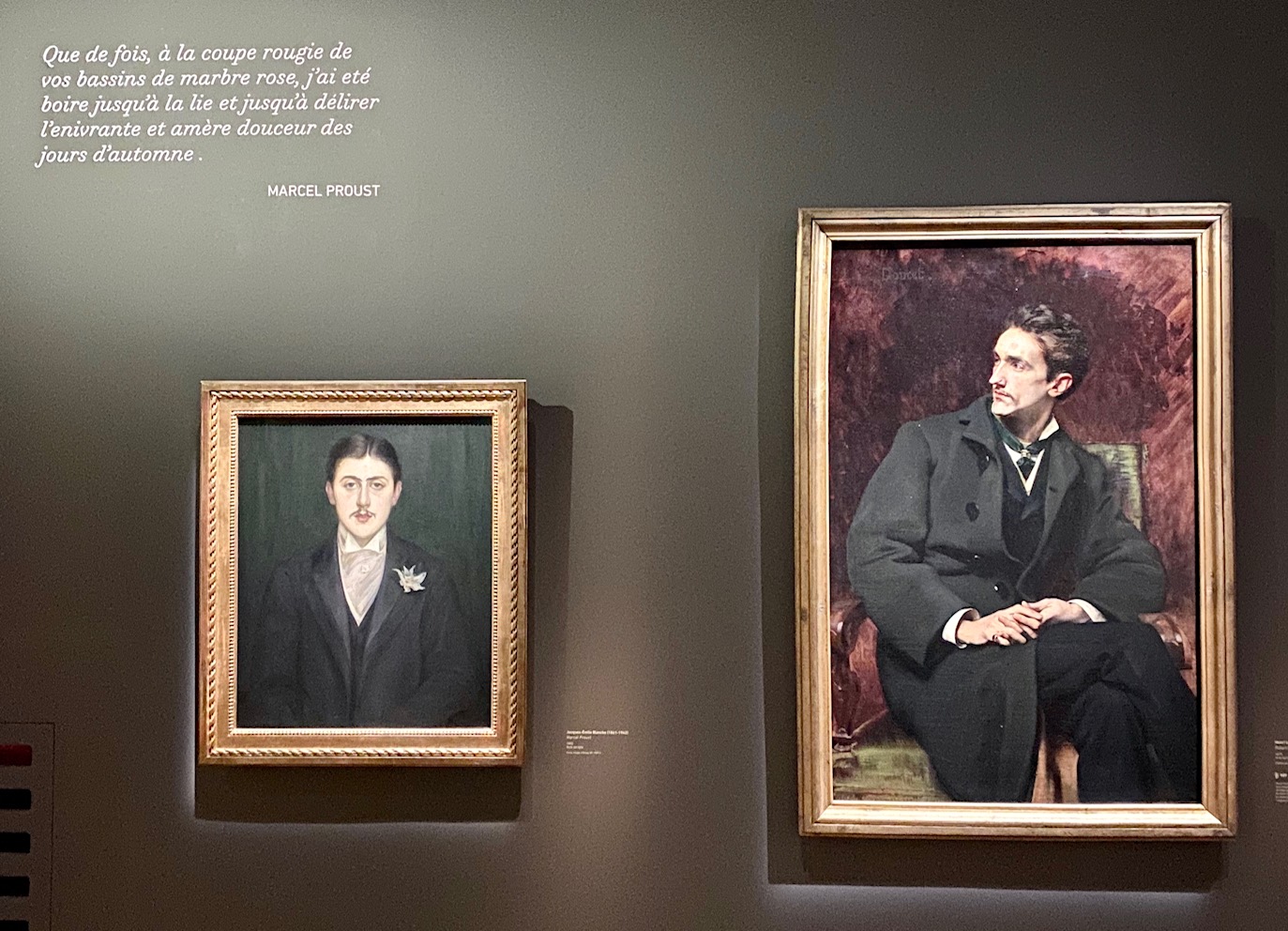
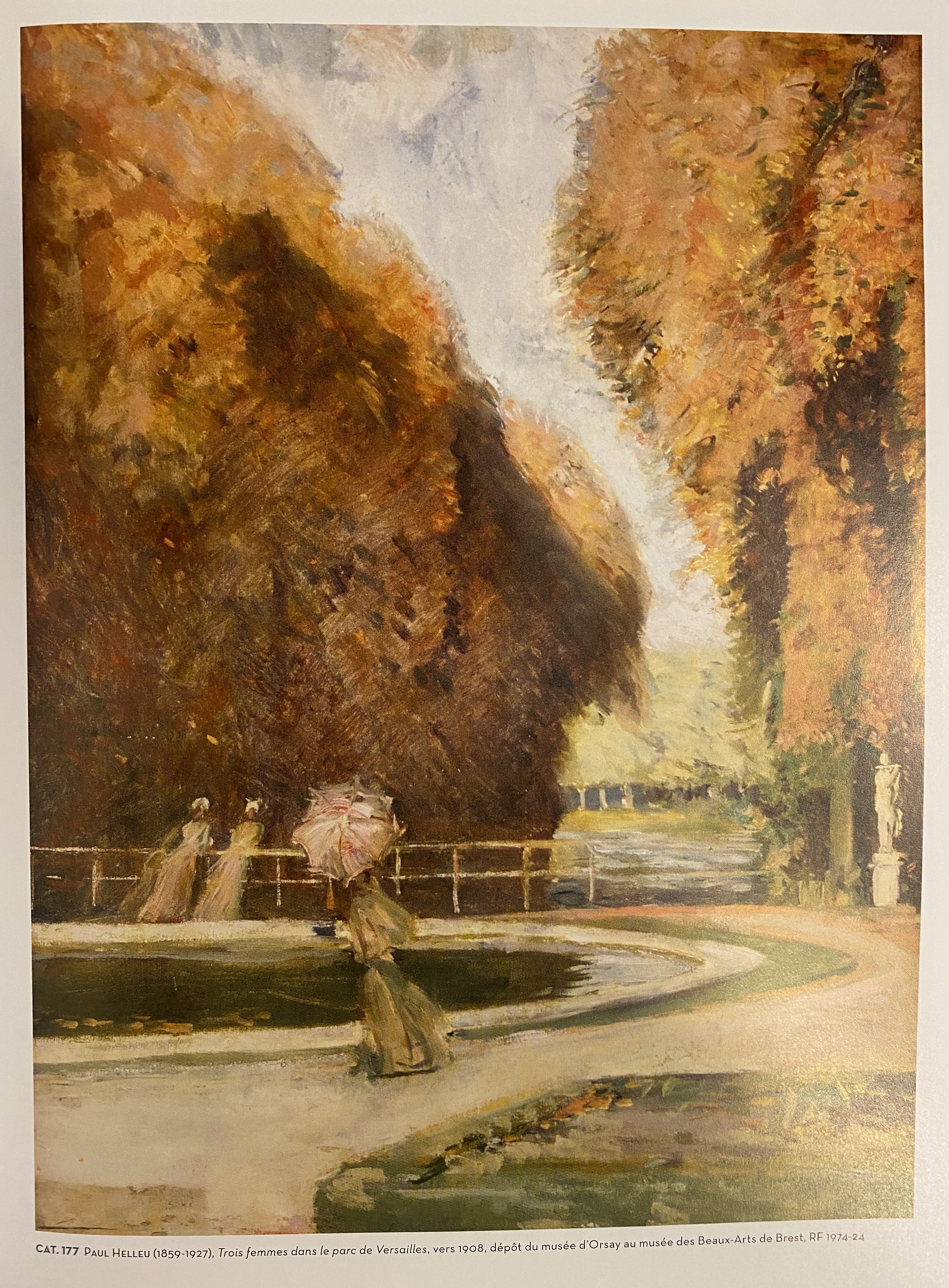
The Château de Versailles is presenting, until 15 March, an exhibition entitled "Versailles Revival". It examines the fascination of artists and writers for the château, between 1867 and 1937. A section is devoted to Marcel Proust, notably featuring the painting of the château park that the painter Paul-César Helleu gave to his writer friend (as well as the portrait of Proust by Jacques-Émile Blanche, which was until recently at the Maison de Tante Léonie!).
http://www.chateauversailles.fr/actualites/expositions/versailles-revival-1867-1937#exposition
The Amis de Proust visited this exhibition on Saturday 7 March with Lionel Arsac, curator in the sculpture department, author of the pages devoted to Proust in the exhibition catalogue.
Here is the account of this visit, written by Mrs Brigitte Albert-Jacouty, a member of the association:
On Saturday 7 March 2020, twenty-six "Amis de Proust" gathered at Versailles at the invitation of president Jérôme Bastianelli and made their way through the Versailles revival exhibition… hoping to find there the Versailles of Marcel Proust. They were not disappointed!
After a lunch at the Brasserie du Théâtre, which was spent "talking about it", the day truly began outside number 7, rue des Réservoirs: Lionel Arsac, curator at the château and guide for the occasion, recalled that the townhouse known as "de la Pompadour" had become, in the 19th century, the famous "Hôtel des Réservoirs", a prestigious hotel establishment looking directly onto the château park, where Marcel Proust stayed on two occasions: for a few months in 1906, grieving the death of his mother, and more briefly in 1909, while the writing project that would give rise to the Recherche was taking shape.
Inside the château, the exhibition, bringing together 350 rarely reunited pieces, set out to show the re-birth ("revival"!) of Versailles, from 1863 to 1937: from the Second Empire to the Belle Époque and beyond, showing just how much the château and its park aroused curiosity and enthusiasm, but also nostalgia for the dreamed-of splendours of the Ancien Régime!
It was with the Second Empire – and in particular thanks to Empress Eugénie's fondness for Queen Marie-Antoinette – that "the beginnings of a revival" got under way, on both the political and artistic level, under the influence of curators such as Eudoxe Soulier and, above all, the refined scholar, "erudite and poet of Versailles", Pierre de Nolhac, in post from 1890 to 1920, whom his friends Robert de Montesquiou and Reynaldo Hahn introduced to Marcel Proust.
Besides the fascination Versailles then exerted on the decorative arts, the symbolic power of this palace of power was displayed through lavish diplomatic visits such as that of Queen Victoria in 1855, immortalised in the watercolours of Eugène Lami or of the Franco-Russian decorator Alexandre Benois, a friend of Diaghilev. Still in the political sphere, the exhibition also reflects the conflicts solemnly concluded in the Galerie des Glaces: the Franco-Prussian war of 1870, in which Bismarck triumphs, in a monumental painting, and the Great War, concluded at the end of June 1919 with the signing of the Treaty. Between 1871 and 1879, the Chamber of Deputies and then the Senate – that is, the Republic – took over the royal Opéra and then the Aile du Midi. Plans and paintings recount this installation.
What of the gardens, badly degraded? The question then arose of "redesigning" them, a task entrusted to Questel and Lambert, torn between remodelling and accepting the work of time. The Société des Amis de Versailles, created for this purpose in 1907, was presided over not by Robert de Montesquiou, though he was the author of the "Salles vertes", but by Victorien Sardou.
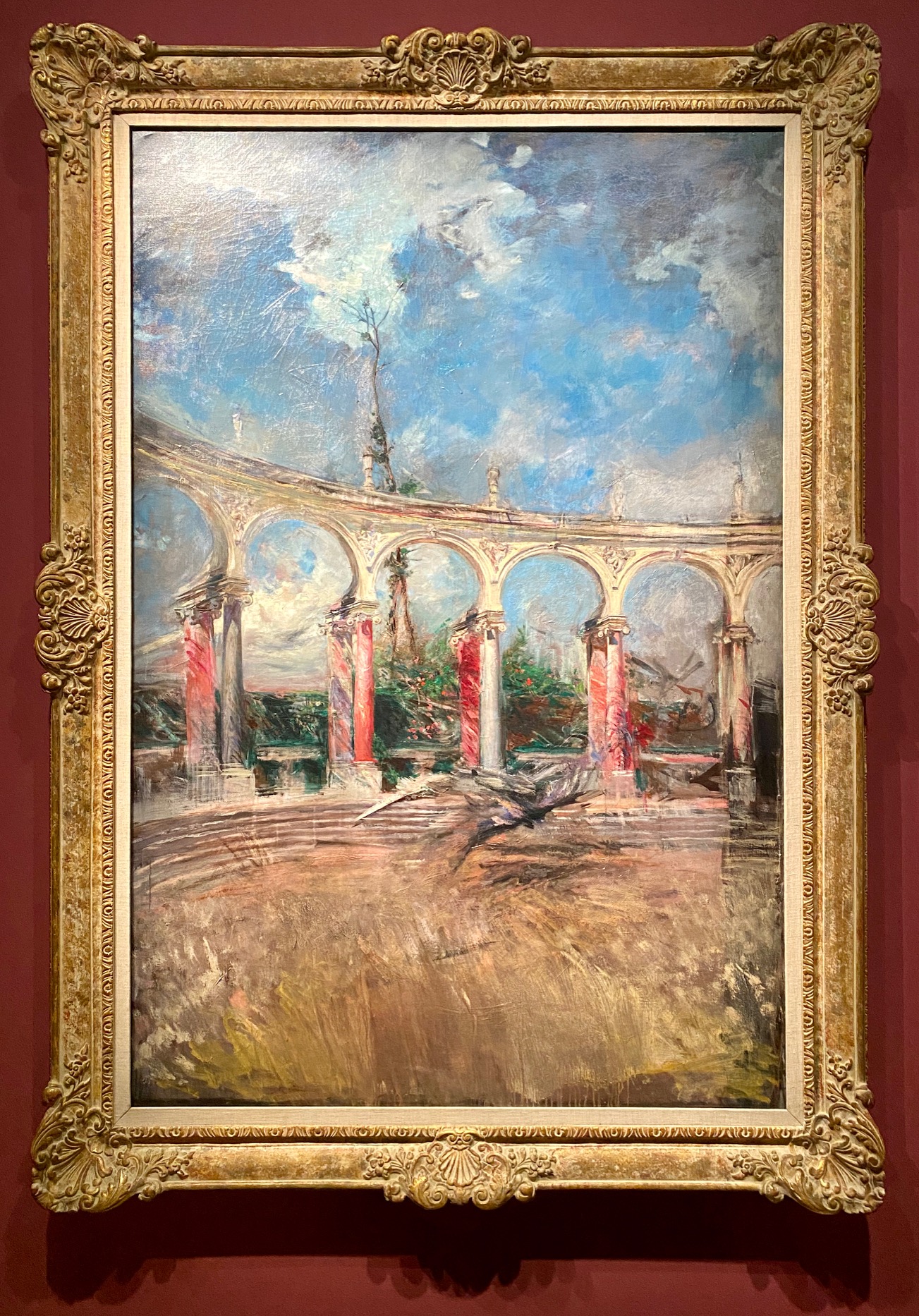
Eagerly awaited by Proust enthusiasts, the room prettily named "Le jardin des poètes" opens with a very free interpretation of a "Colonnade at Versailles" by Giovanni Boldini, the fashionable society portraitist. Linked to the Faubourg Saint-Germain, Versailles takes on the character of a "literary salon" where the portrait of Montesquiou in grey, by the same Boldini, appears alongside that of his friend Gabriel d'Yturri, next to the well-known depiction of Marcel Proust by Jacques-Émile Blanche. The following room, "Automne versaillais", is placed under the aegis of the Plaisirs et les Jours: "Versailles, grand nom rouillé et doux, royal cimetière de feuillages, de vastes eaux et de marbres", an echo of the celebrated painting given to Marcel Proust by Paul-César Helleu in the spirit of the place, with its reddened foliage, its ponds, its statues, so many "links between the world of Marie-Antoinette and Louis XIV", placing in the foreground an elegant, radiant lady "on holiday".
The exhibition closes on the sometimes surprising influences of the image of Versailles: the Palais Rose of Boni de Castellane, reproducing the Trianon in Paris, on the Avenue du Bois that Odette used to frequent…, the castles of Ludwig II of Bavaria – the "Louis XV" Linderhof, the "Louis XIV" Herrenchiemsee – Alva Vanderbilt's Marble House in Newport, right down to the ocean liner "France", "Versailles of the seas"…
Society figures and patrons such as Robert de Montesquiou, whom the "pink vase" of Versailles accompanied to every one of his residences, or the Comtesse Greffulhe, musicians such as Reynaldo Hahn, writers such as Henri de Régnier or the author of the "Perles rouges", a moving tribute to Marie-Antoinette, and of course Marcel Proust, populate this "re-creation" of an idealised Versailles, at times melancholy, at times bursting with lavish festivities, gushing forth like its fountains, more imagined, certainly, than real…
Flashbacks, imagination and memory: how could one not be fulfilled by this fragment of "time regained"?
Thanks to Lionel Arsac and Jérôme Bastianelli.
Brigitte Albert-Jacouty